
Project brief & requirements
Record the intended users, desired outcome, current information and questions still to be resolved.
STAR INTERNATIONAL GROUP · Capabilities
Practical support at the stage you need it. Connect planning, delivery, operational readiness and future improvement across eight essential industries.
One connected approach.
A scope shaped around your project.
 People. Purpose. Possibility.
Clear thinking. Practical work.
A new building, a facility upgrade and a production change each need different inputs. Start with the outcome, then agree the services, specialists and responsibilities that make sense for the work.
Choose your stage
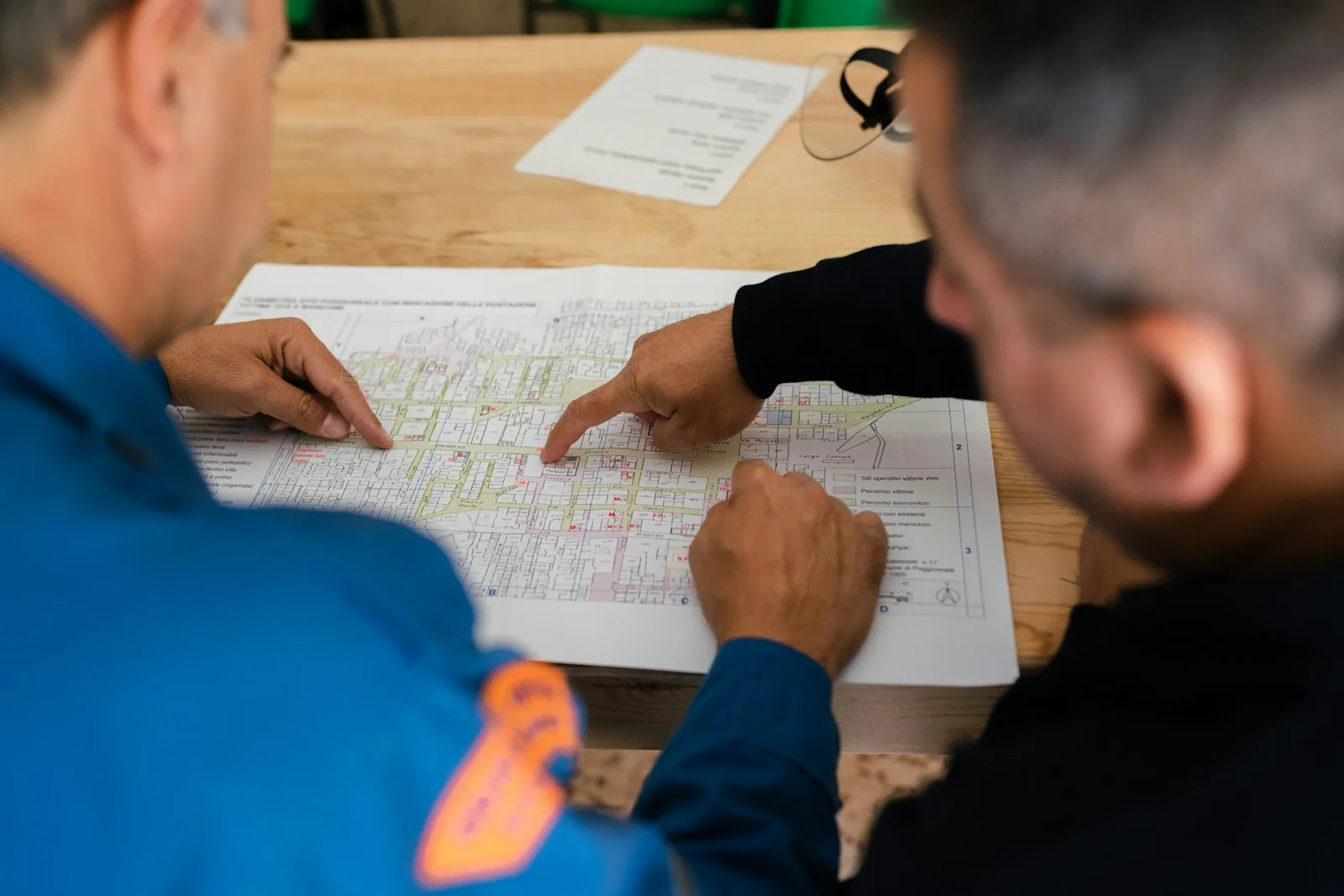
Find the right starting point
Plan with purpose
Bring the purpose, site and operating needs into one useful picture. Explore the options before committing resources to a detailed direction.
Record the intended users, desired outcome, current information and questions still to be resolved.
Identify site constraints, specialist advice, dependencies and assumptions needed to compare approaches.
Set work-package boundaries, decision owners and the information required for the next stage.
A shared project brief, a responsibility map and an agreed next-step plan.

Keep people and work connected
Deliver with purpose
Connect design, procurement and site activity around the agreed brief. Make dependencies visible so specialists and operating teams can work from the same information.
Track the connections between consultants, equipment suppliers, construction work and operational requirements.
Map lead times, review points, access and installation needs into the delivery sequence.
Maintain decisions, issues and agreed changes, with their programme and scope implications clearly recorded.
A coordinated delivery plan, review schedule and current decision register.

Prepare for life after handover
Operate with purpose
Bring the receiving team into the work early. Define the records, supplier inputs and readiness checks needed to move from a project into an operating place.
Identify the people, systems, training inputs and operating arrangements required for the transition.
Coordinate acceptance records, supplier manuals, asset information and the ownership of outstanding actions.
Capture access needs, recurring maintenance inputs and service responsibilities for the receiving team.
An agreed readiness checklist, handover index and outstanding-action register.

Shape the next useful improvement
Grow with purpose
Use the experience of operating a place to define its next chapter. Prioritise a practical improvement, a staged expansion or a better way to connect the work.
Collect user and operator observations about layout, flow, capacity and the needs that have changed.
Compare possible changes against the intended benefit, site constraints and impact on ongoing operations.
Shape the next work package with defined interfaces, sequencing assumptions and future expansion in view.
A prioritised improvement brief and a practical plan for the next stage.
Capability in context
Explore the workstreams in each industry, then build a brief around your site, operation and priorities.
 01
Sector expertise
Connect feasibility, design, site works and practical completion around the building's intended use.
 02
Sector expertise
Bring the guest journey, property fit-out and daily operation into one considered brief.
 03
Sector expertise
Coordinate productive land with handling, storage, farm infrastructure and market access.
 04
Sector expertise
Define specialist interfaces, operating constraints and readiness requirements for energy infrastructure.
 05
Manufacturing
Connect materials, processing equipment, handling and the evidence needed for technical acceptance.
 06
Manufacturing
Shape assembly, component, workshop and supplier interfaces around a clear production requirement.
 07
Sector expertise
Plan the relationship between goods receipt, storage, picking, loading and the next destination.
 08
Manufacturing
Bring building, machinery, utilities and operating workflow together around the production process.
Flexible starting points
The project agreement confirms the services, fees, responsible parties and acceptance requirements before work begins.
A specific question or stage
Define a brief, coordinate a particular interface or prepare a handover package. Keep the boundaries and outputs clear from the start.
Several stages, one direction
Bring planning, delivery interfaces and readiness into a coordinated sequence with agreed review points and responsibilities.
The people and knowledge already in place
Connect with your advisers, suppliers and operating team. Define the additional coordination required and preserve clear technical authority.
From conversation to clarity
Four practical checkpoints help the right information reach the right people.
Describe the outcome, location, current stage and any important constraints.
Agree deliverables, specialist roles, assumptions and work-package boundaries.
Set review points, keep decisions visible and coordinate the agreed interfaces.
Organise acceptance information, handover records and the next responsibilities.
The next step
Share the idea, the stage you are at and what you need to move forward.