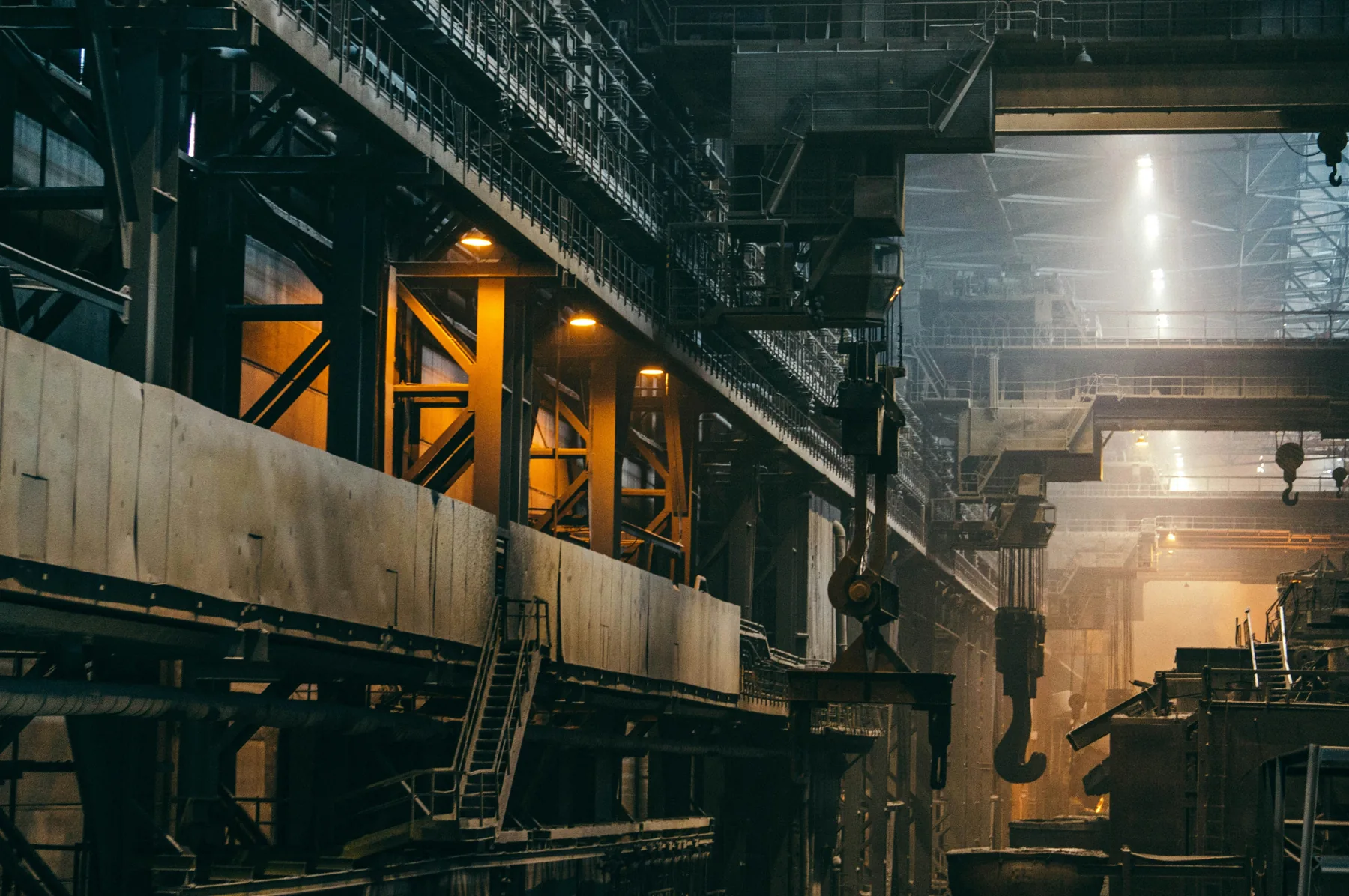
Large steelworks interior with overhead cranes and industrial equipment

Manufacturing / Metallurgy

Better materials.Stronger possibilities.

Connect material requirements with production and performance. Explore coordination across metal processing, fabrication, heat treatment, testing and the facilities that support consistent industrial work.

Discuss your project
People. Purpose. Possibility.Explore metallurgy

The bigger picture

Start with what the material needs to do.

Metal processingFabricationTreatment interfacesProduction improvement

A material decision affects more than a component. It can influence processing, tooling, testing, handling and the way a production line operates. A strong brief brings those requirements together: the intended application, expected conditions, acceptance criteria and the specialist knowledge needed to make a sound choice. Our proposed approach connects the practical requirements of a materials or processing project with its equipment, facility and delivery interfaces.

  • Material requirements clearly defined
  • Processing and facility needs aligned
  • Acceptance criteria agreed early

Services & capabilities

Expertise with
a practical purpose.

Explore the workstreams relevant to your project. The service scope and delivery responsibilities are agreed around your requirements.

01

Material & application requirements

Document the intended use, operating conditions and required characteristics. Identify the specialist materials advice, specifications and evidence needed to support a technically informed decision.

Discuss this service
02

Metal-processing coordination

Consider how material moves through preparation, processing and finishing stages. Bring equipment, utilities, handling and space requirements into a coordinated project brief for specialist development.

Discuss this service
03

Heat-treatment interfaces

Coordinate the facility and operating inputs required for a proposed heat-treatment process. Process selection, technical parameters and validation remain with the competent specialists responsible for the work.

Discuss this service
04

Fabrication & production planning

Connect production requirements with work areas, tooling, handling and access. Identify the interfaces between component design, fabrication method, inspection and the receiving production or assembly process.

Discuss this service
05

Testing & quality planning

Agree what needs to be verified and how results will be recorded. Define sampling, inspection and acceptance requirements with the client and qualified testing or technical parties.

Discuss this service
06

Automation & plant integration

Explore how handling, monitoring and production equipment fit the existing workflow. Define interfaces and operating requirements before detailed engineering, procurement or commissioning decisions are made.

Discuss this service
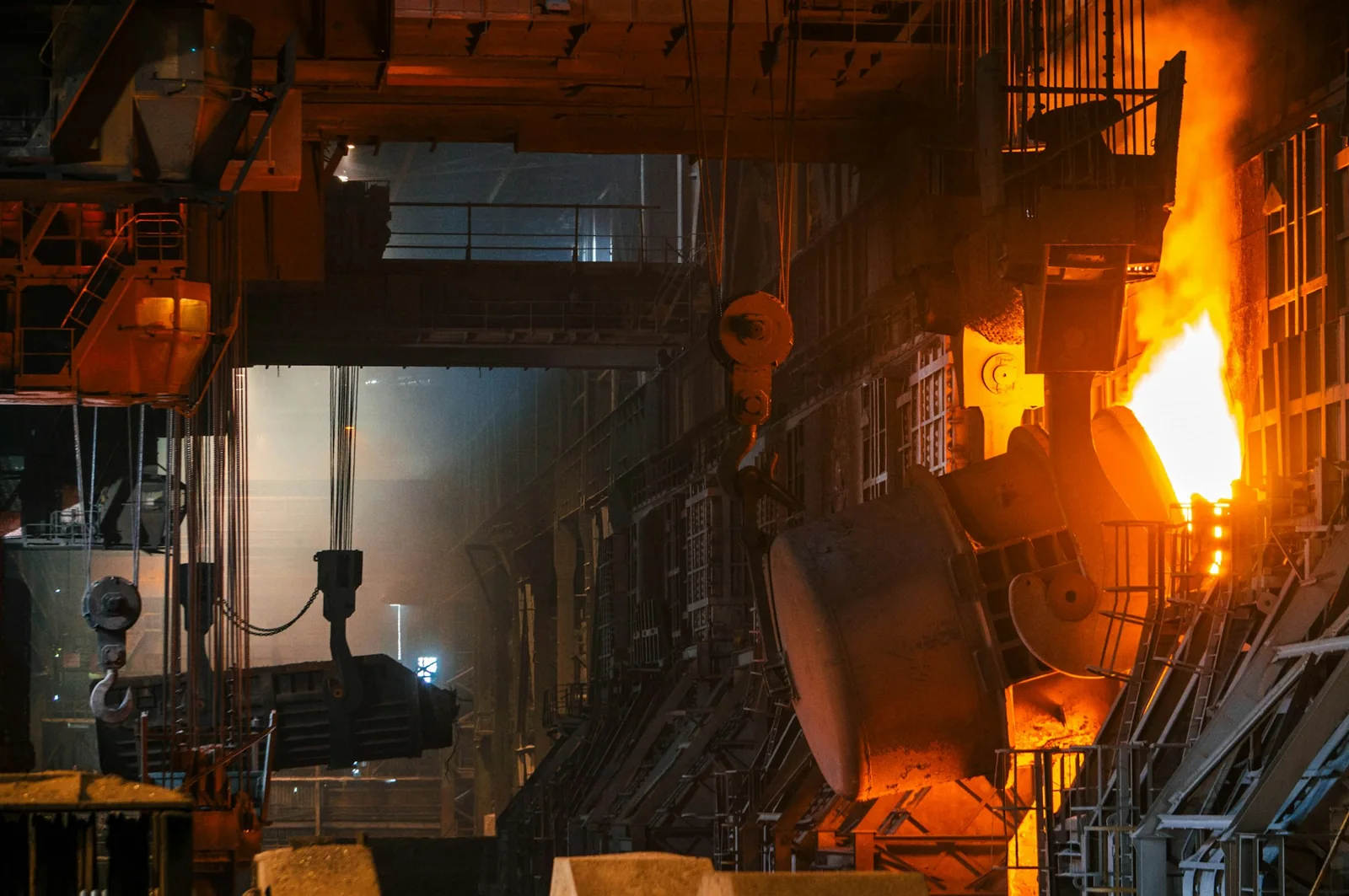
Bright orange furnace glow illuminates a steelmaking hall
Industry in focus

Materials, process and purpose in one conversation.

The details that matter

The detail behind material performance.

Materials projects connect the end application with processing, handling and evidence of quality. Start with the requirement, then coordinate the stages around it.

Document how a material or component will be used and which characteristics matter. Give technical specialists the application information they need to develop appropriate specifications.

Connect preparation, forming, treatment and finishing with the handling between stages. Review the equipment, utility and space requirements as one workflow.

Agree which records link incoming material, production stages and finished output. Define the inspection and acceptance evidence with the customer and responsible technical parties.

Consider receiving, work areas, equipment access, maintenance and finished-product storage alongside production. Identify the interfaces that need detailed engineering before installation.

Putting the pieces together

What could your
next project look like?

Two starting points for a practical conversation about metallurgy.

Illustrative applications · not completed projects
Application 01

A coordinated processing line

A materials project can bring machinery, heat treatment, handling and inspection into one workflow. Early coordination helps those stages fit both the product requirements and the facility.

Discuss a similar idea
Application 02

Component production with clear acceptance

A new component may require specific material and testing arrangements. Defining the evidence expected at each stage supports clearer discussions between designers, fabricators and receiving teams.

Discuss a similar idea

From the first conversation

A clear path
through complexity.

Connect the right decisions at each stage, with the next step visible to everyone involved.

01

Define performance

Clarify intended use, material requirements, operating conditions and the evidence needed for acceptance.

02

Connect the process

Map production stages and the supporting equipment, handling, utility and facility requirements.

03

Coordinate implementation

Align specialist inputs and responsibilities through design, installation and readiness reviews.

04

Document the outcome

Agree inspection records, technical information and operating requirements for the receiving team.

The people around the project

Different disciplines.
A shared outcome.

Bring specialist knowledge and practical experience into the same conversation. Roles and appointments depend on the work.

Our people & approach
01

Materials specialists

Application requirements and technical specifications.

02

Production teams

Processing sequence and everyday workflow.

03

Quality & testing

Inspection requirements and acceptance records.

04

Equipment partners

Machinery, utilities and installation interfaces.

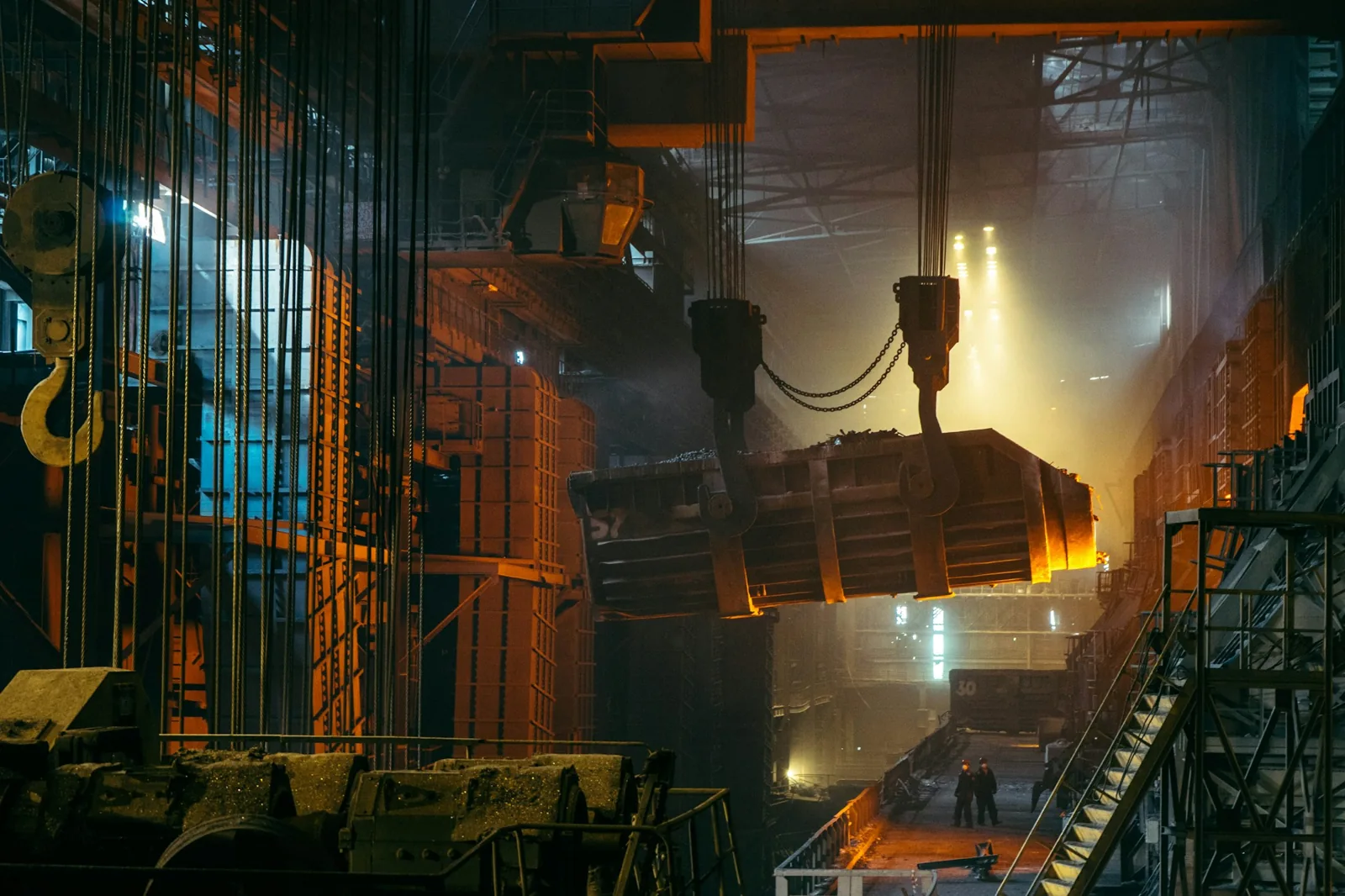
Overhead crane carries a glowing molten-metal ladle through a steel mill

Quality & coordination

Care in the detail.
Clarity in the delivery.

Material properties and product conformity need appropriate technical evidence. Testing methods, traceability, acceptance criteria and specialist responsibilities should be set out before work begins. The project brief connects processing and facility needs with that evidence. Agree qualified testing providers, document ownership and the information that must accompany the finished material or component.

Explore our approach

A useful first conversation

Bring your idea.
We’ll start with the brief.

You do not need every answer to begin. Share the information you have and highlight the decisions still ahead.

01

Material & application

Material family, intended use and available specifications.

02

Process & facility

Existing workflow, proposed process and available layout.

03

Quality requirements

Inspection needs, traceability and acceptance criteria.

04

Project priorities

The current constraint, planned change and timing.

Questions before you start

A little clarity.

Useful answers for a metallurgy brief.

Ask us a question

No laboratory or accreditation is represented here. Testing requirements can be part of the project brief, with the appropriate qualified testing provider identified and agreed.

Yes. The enquiry can focus on a particular process interface, equipment change or facility improvement. Describe the current workflow and the issue you want to resolve.

Qualified technical parties should make and approve those decisions. Their responsibilities, specifications and supporting evidence are defined in the agreed scope.

Application details, drawings, material specifications, process information and inspection requirements can help. Include available documents and identify any unresolved technical questions.