
01
Supply-chain & network planning
Understand where goods originate, how they move and where they need to arrive. Identify constraints, dependencies and information needed to assess facilities and partner interfaces.
Discuss this service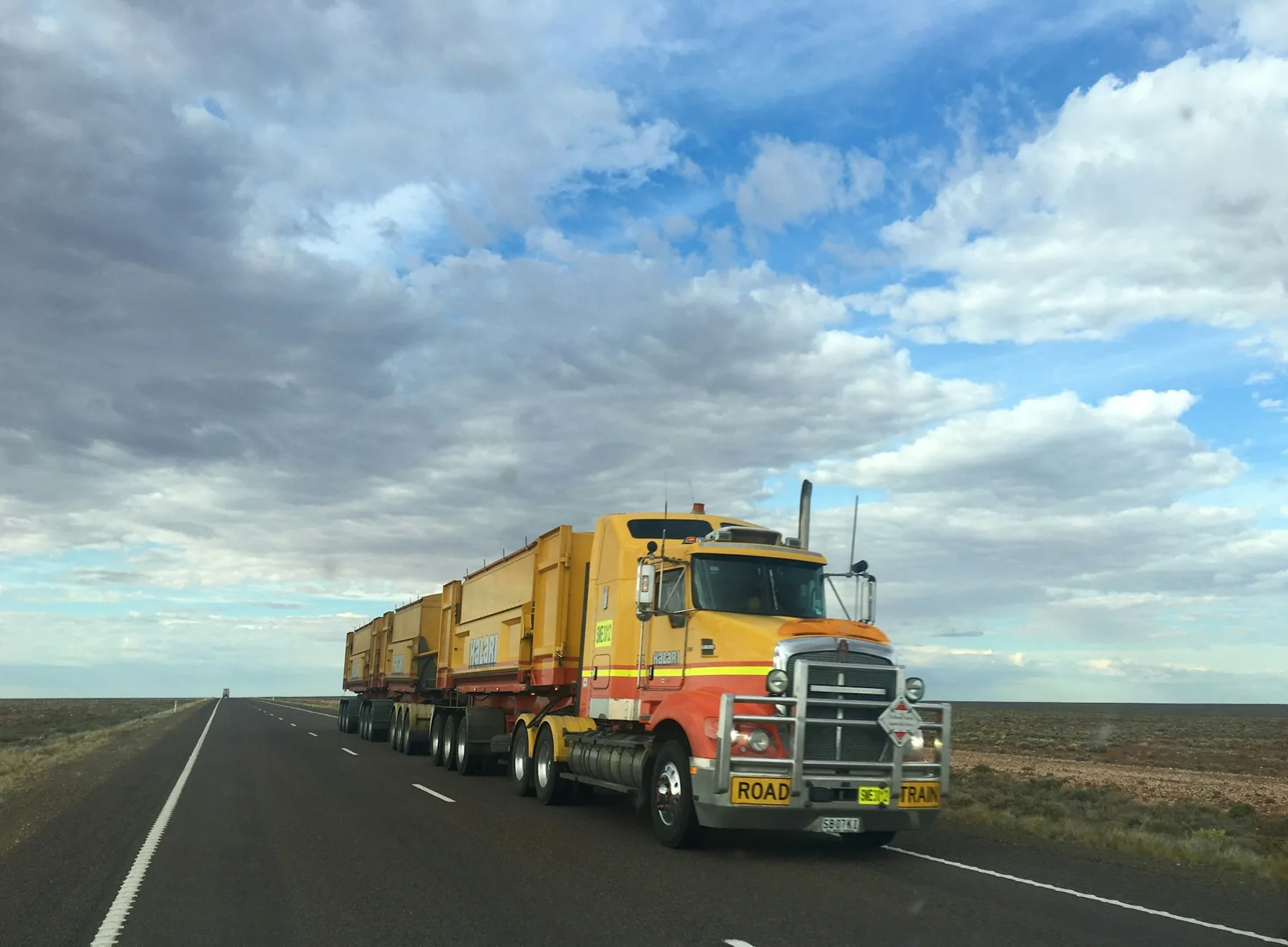
Our industries / Logistics
Bring movement, storage and delivery into the same conversation. Explore warehouses, distribution facilities, transport interfaces and supply-chain planning around the needs of the goods and the people relying on them.
Discuss your projectThe bigger picture
Logistics is the link between a plan and the people it serves. A facility decision can affect loading, storage, inventory handling and the journey beyond the gate. A useful brief starts with the goods, their requirements and the pattern of movement, then considers the physical and operational connections needed to support them. A coordinated approach brings facilities, transport partners and operating requirements together, with responsibilities agreed for each part of the chain.
Services & capabilities
Explore the workstreams relevant to your project. The service scope and delivery responsibilities are agreed around your requirements.
Understand where goods originate, how they move and where they need to arrive. Identify constraints, dependencies and information needed to assess facilities and partner interfaces.
Discuss this servicePlan storage, handling and dispatch around the goods and the operation. Consider access, loading, equipment, inventory flow and the relationship between the warehouse and its wider site.
Discuss this serviceBring road, sea or air movement requirements into the brief where relevant. Carrier selection, booking, commercial terms and specialist responsibilities are defined in the agreed delivery model.
Discuss this serviceConsider receiving, storage, picking, packing and dispatch as a connected workflow. Identify the operating data, systems and handling requirements that inform facility and process decisions.
Discuss this serviceDefine the handling and storage requirements of the goods before selecting a solution. Coordinate relevant facility, monitoring and transport interfaces with competent specialist operators.
Discuss this serviceMake information requirements visible at each transition. Customs, regulated handling and specialist documentation require the appropriate qualified parties, with responsibilities agreed before goods move.
Discuss this service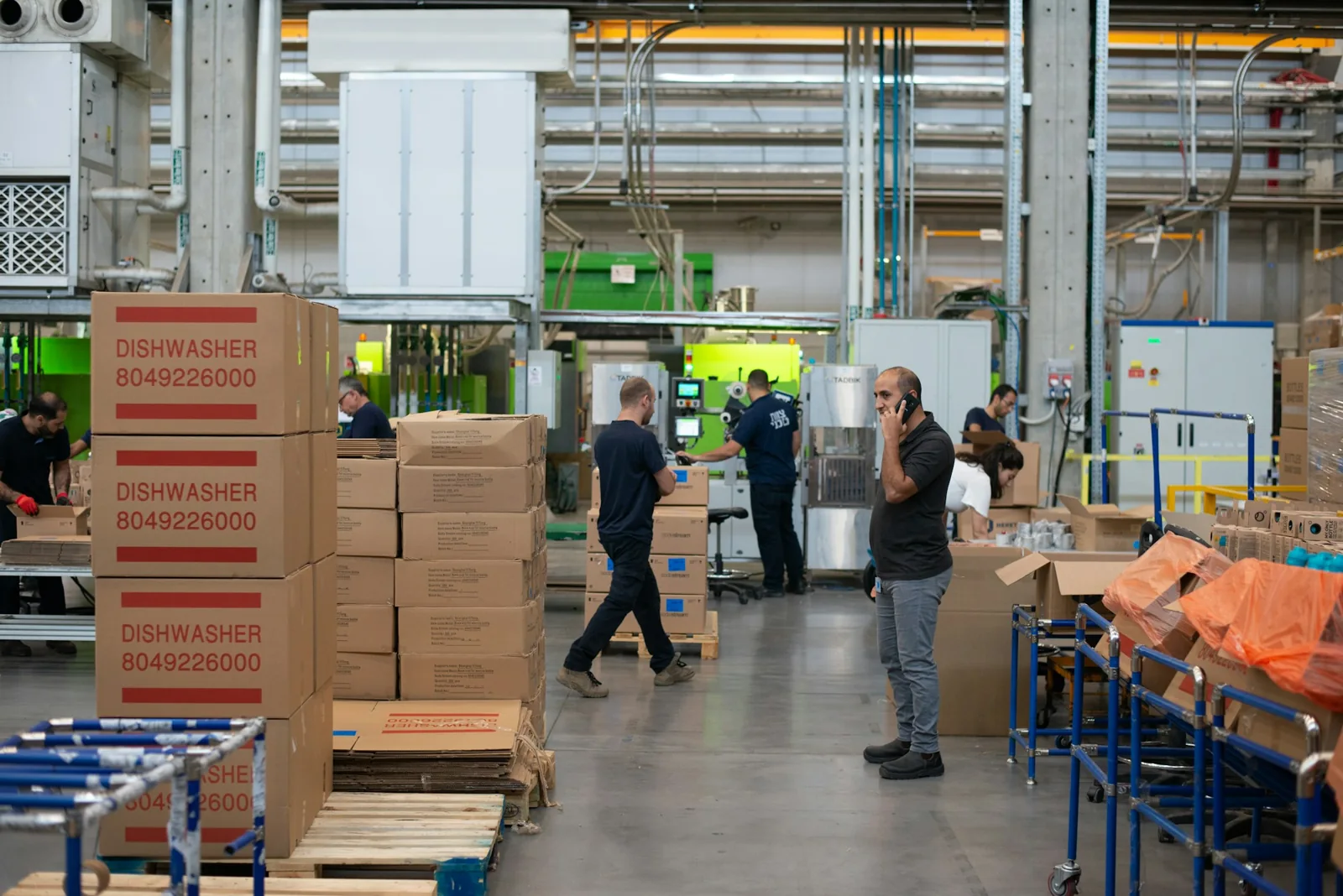
The right connections, from receiving to dispatch.
The details that matter
A logistics brief connects the warehouse with the journeys on either side of it. Understand the handling pattern before deciding the layout.
Putting the pieces together
Two starting points for a practical conversation about logistics.
Illustrative applications · not completed projectsA distribution brief can connect storage layout, handling equipment and transport access with the pattern of deliveries. The design should reflect how goods actually move through the operation.
Discuss a similar ideaA farm or factory may need a more coherent path to storage and market. Considering handling and delivery alongside production helps identify the interfaces that matter most.
Discuss a similar ideaFrom the first conversation
Connect the right decisions at each stage, with the next step visible to everyone involved.
Clarify origin, destination, handling requirements, demand patterns and the operational constraints.
Connect facility layout, storage, handling and transport requirements in a coordinated brief.
Identify responsibilities, documentation and decision points across the proposed delivery arrangement.
Confirm workflows, handover information and the readiness requirements of the receiving teams.
The people around the project
Bring specialist knowledge and practical experience into the same conversation. Roles and appointments depend on the work.
Our people & approachReceiving, inventory, picking and dispatch.
Vehicle access, movement and delivery handovers.
Layouts, loading and handling equipment.
Demand patterns, information and partner interfaces.

Quality & coordination
A dependable logistics arrangement begins with accurate information about the goods, handling conditions and delivery expectations. Each responsible party should understand its role, the records it must provide and the limits of its scope. Customs brokerage, regulated transport and specialist storage are not assumed capabilities; appropriate providers and obligations are confirmed for each opportunity.
Explore our approachA useful first conversation
You do not need every answer to begin. Share the information you have and highlight the decisions still ahead.
Product types, packaging and any particular storage conditions.
Locations served, transport modes and access requirements.
Current layout, storage needs and typical activity patterns.
The current bottleneck, planned change and preferred timing.
Connected industries