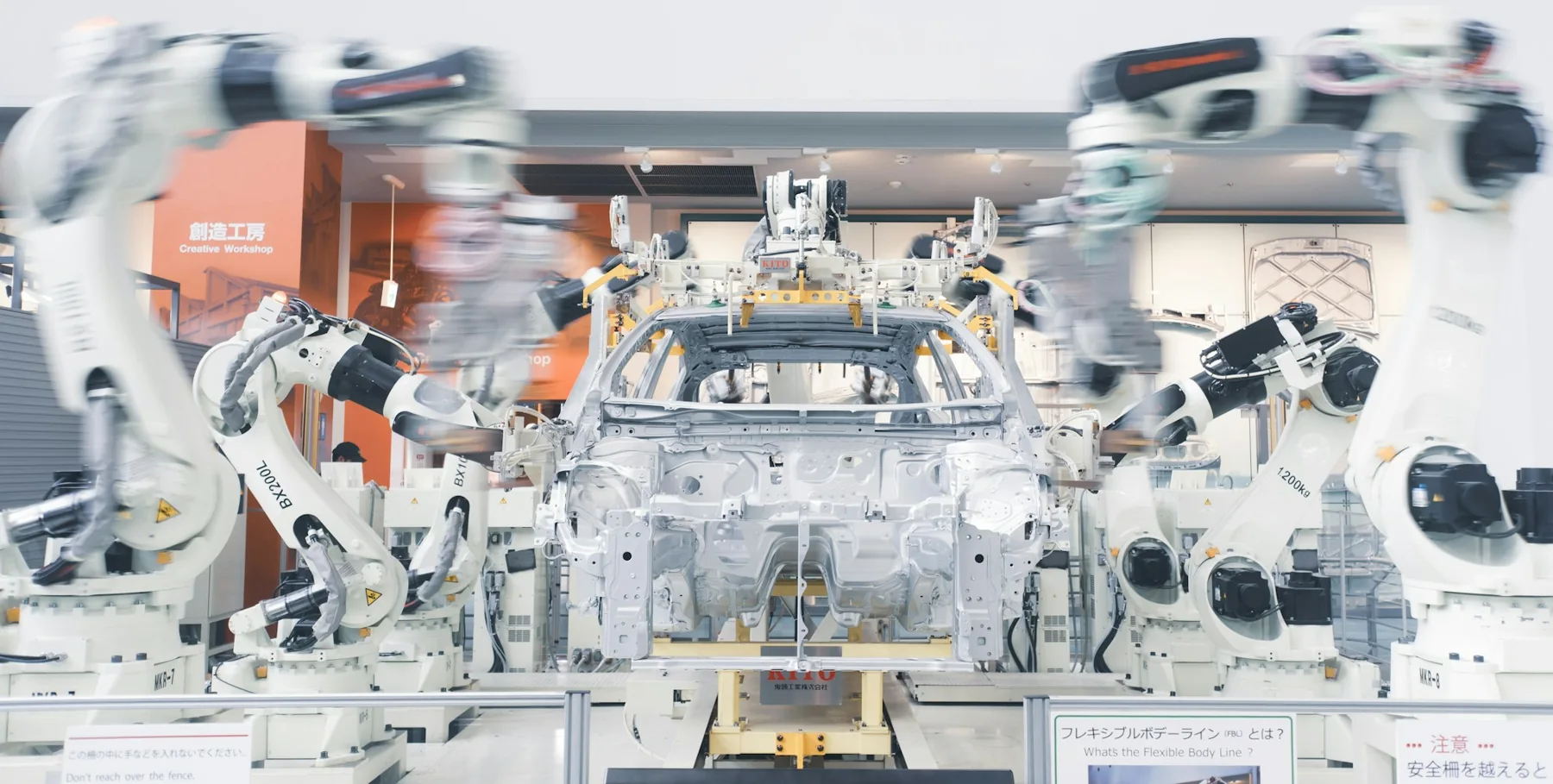
Vehicle body shells move through an automated automotive assembly line

Manufacturing / Automobile

Moving industry.Shaping what’s next.

Consider automotive production as a connected system. Explore assembly, component manufacturing, automation, validation interfaces and supply-chain requirements around a clear, practical production brief.

Discuss your project
People. Purpose. Possibility.Explore automobile

The bigger picture

Connect every stage of production.

Component productionAssemblyAutomation interfacesLine improvement

A production line depends on the relationship between products, equipment, people and material flow. A change to one station can affect handling, inspection, maintenance or the wider facility. A coordinated approach starts by understanding those dependencies and the client's production requirements. From a component-making operation to a new assembly area, the aim is to define a coordinated scope that brings technical specialists and operational teams into the decisions that affect them.

  • Production requirements in one brief
  • Equipment and material flow connected
  • Readiness and validation planned early

Services & capabilities

Expertise with
a practical purpose.

Explore the workstreams relevant to your project. The service scope and delivery responsibilities are agreed around your requirements.

01

Production & line planning

Map the intended production sequence, material flow and operating assumptions. Define the information needed for specialist line design, including product variety, access, staffing and maintenance requirements.

Discuss this service
02

Component & assembly interfaces

Coordinate the needs of component production and assembly work. Consider tooling, handling, storage and inspection alongside the interfaces with upstream suppliers and downstream operations.

Discuss this service
03

Robotics & automation coordination

Bring automation specialists into a clear operating brief. Identify equipment interfaces, guarding, controls, maintenance access and training requirements before detailed system design and implementation.

Discuss this service
04

EV-related production requirements

Explore facility and equipment interfaces for an electric-mobility production brief. Technical design, electrical safety and specialist validation must be assigned to competent parties for the particular application.

Discuss this service
05

Testing & validation planning

Define the evidence needed to accept equipment or a production process. Agree technical responsibilities, inspection points, trial conditions and documentation with the client and relevant specialists.

Discuss this service
06

Supplier & logistics integration

Connect delivery, storage, line-side supply and finished-product movement. Make assumptions about packaging, handling, space and replenishment visible in the overall production plan.

Discuss this service
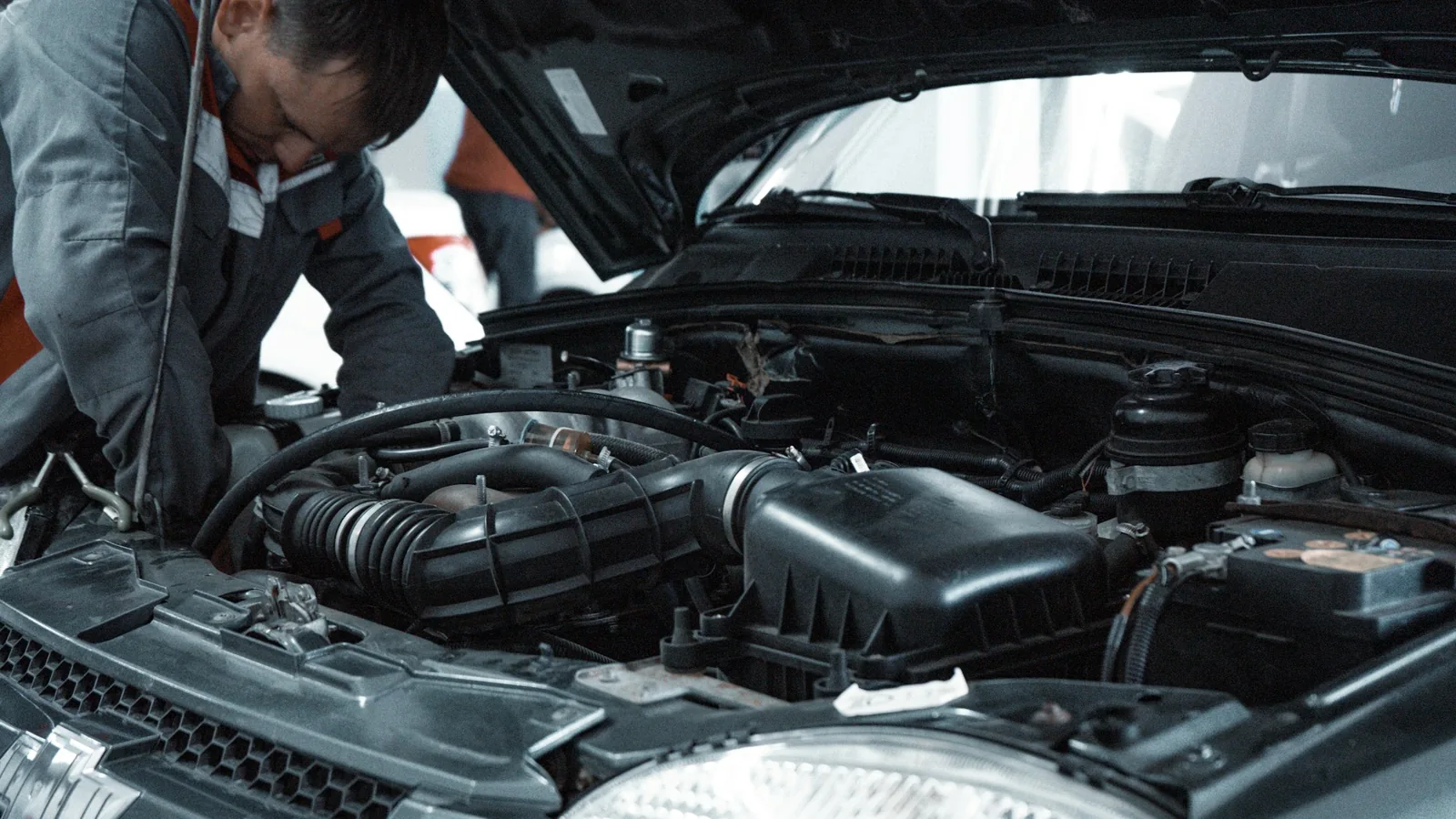
Automotive technician works under an open vehicle bonnet
Industry in focus

Connected production. From component to finished product.

The details that matter

Every station belongs to a wider system.

A production improvement should account for the product, the people using the equipment and the movement around the line.

Clarify product variants, assembly sequence and operating assumptions. Record the information a line designer or equipment supplier needs before comparing solutions.

Review access, working positions, handling and maintenance with the operating team. Involve the relevant specialists in equipment protection, controls and installation requirements.

Connect receiving, storage and line-side supply with the assembly sequence. Discuss packaging, replenishment, component identification and finished-product movement.

Define trial conditions, quality checks, training inputs and acceptance responsibilities. Plan how the change enters operation and how outstanding issues are recorded.

Putting the pieces together

What could your
next project look like?

Two starting points for a practical conversation about automobile.

Illustrative applications · not completed projects
Application 01

A new component assembly cell

An assembly cell may combine manual work, automation and inspection. A coordinated brief helps define product flow, equipment interfaces and the operational requirements of the people using it.

Discuss a similar idea
Application 02

Modernising an existing line

A production improvement can involve equipment, layout and supply-chain changes. Mapping the existing operation helps identify how proposed work should be sequenced and accepted.

Discuss a similar idea

From the first conversation

A clear path
through complexity.

Connect the right decisions at each stage, with the next step visible to everyone involved.

01

Understand the product

Confirm the production requirement, current operation and the changes the project is intended to achieve.

02

Map the workflow

Connect stations, handling, testing, utilities and maintenance needs in the project brief.

03

Align specialist inputs

Coordinate equipment suppliers, technical designers and the operating team around agreed responsibilities.

04

Plan the transition

Prepare installation interfaces, trials, documentation and readiness requirements before the production handover.

The people around the project

Different disciplines.
A shared outcome.

Bring specialist knowledge and practical experience into the same conversation. Roles and appointments depend on the work.

Our people & approach
01

Production engineering

Product flow and process requirements.

02

Equipment specialists

Tooling, automation and system interfaces.

03

Assembly & quality

Workstations, inspections and trial feedback.

04

Supply-chain teams

Components, line-side supply and dispatch.

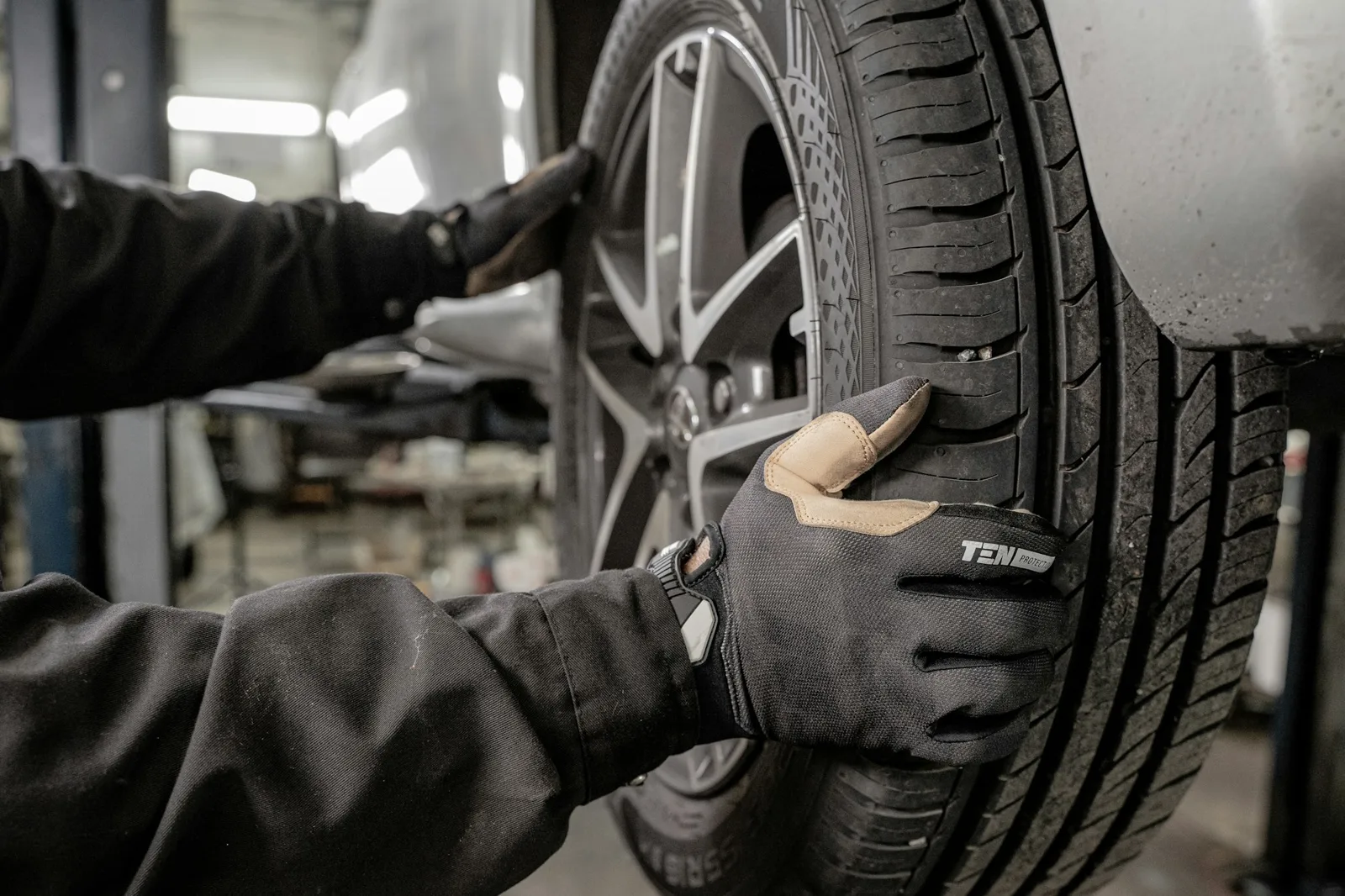
Mechanic fits a wheel to a vehicle in a workshop

Quality & coordination

Care in the detail.
Clarity in the delivery.

Automotive production requirements vary by product, customer and application. Technical standards, quality systems and acceptance criteria need to be established with the responsible specialists. The project scope should identify design authority, equipment acceptance, operator training and the evidence required before a system enters routine use.

Explore our approach

A useful first conversation

Bring your idea.
We’ll start with the brief.

You do not need every answer to begin. Share the information you have and highlight the decisions still ahead.

01

Product & process

Component or assembly details and the current production sequence.

02

Layout & equipment

Available floor plan, equipment list and utility information.

03

Operating assumptions

Product variants, staffing inputs and material-flow requirements.

04

Change & transition

The proposed improvement, trial needs and installation window.

Questions before you start

A little clarity.

Useful answers for a automobile brief.

Ask us a question

No. A brief can concern component manufacture, a sub-assembly operation, an equipment interface or supporting infrastructure. The actual scope is defined around the client's production needs.

An enquiry can explore that possibility. Feasibility depends on the product, process, available space, safety requirements and the interfaces with existing equipment and operations.

No specific technical service is assumed. EV-related work needs clearly identified competent designers and validation responsibilities, which must be confirmed for the application.

Share product and process requirements, an existing layout if available, key constraints and the planned change. Clarify production assumptions and who holds technical decision authority.